
Spoiler Free
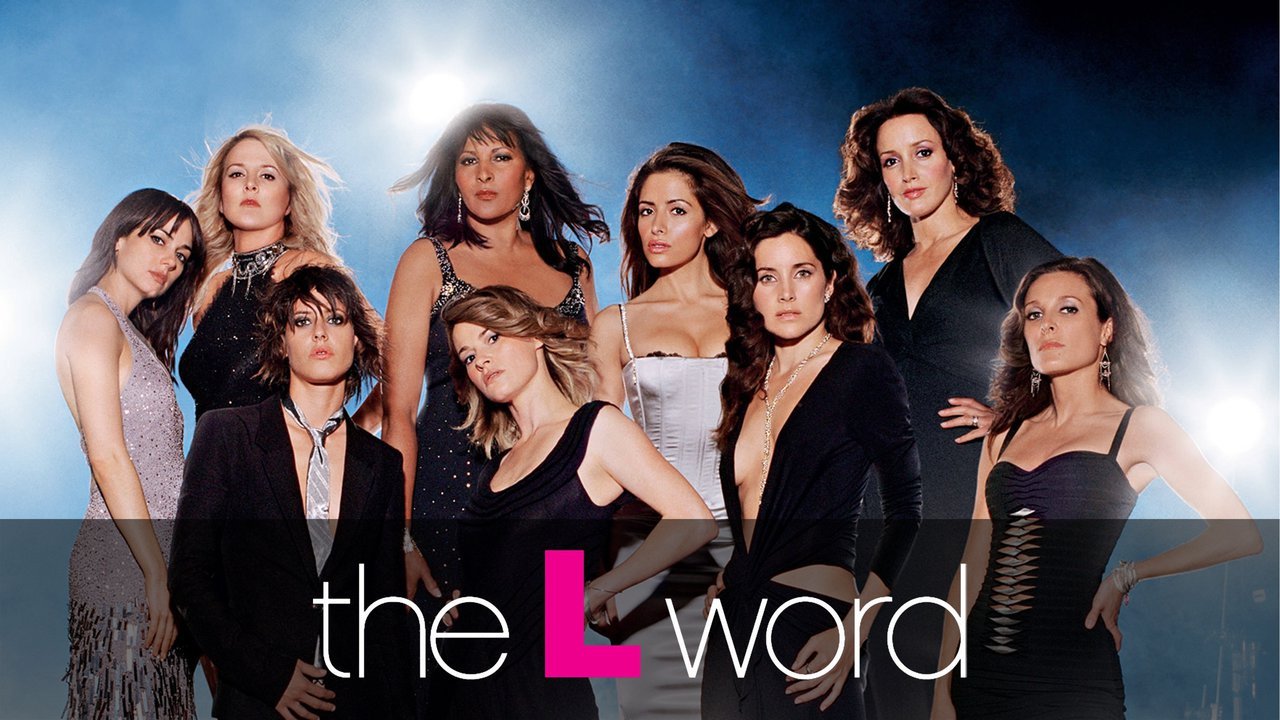
When The L Word first aired on Showtime in 2004, it stood out not only for its LGBTQ+ representation but also for how it told its story. Unlike many TV shows at the time that had self-contained episodes, introducing and resolving conflicts within a single episode, The L Word used long-form storytelling, continuing the plot across multiple episodes and seasons, rather than being resolved in one episode. This approach encouraged sustained audience engagement and deeper emotional investment.
Early 2000s cable television allowed for greater creative freedom due to its fewer content restrictions. As a result, The L Word explored complex themes without a narrative reset. Problems were not quickly fixed. Instead, characters faced long-term consequences for their actions, which made the story feel more realistic. The flawed and complex character arcs shaped the overall narrative trajectory. Viewers had to watch regularly to fully understand what was happening.
Other cable dramas at the time, such as The Sopranos, also used long story arcs, showing that television was moving away from simple episodic formats. The L Word helped prove that audiences would follow complex, ongoing stories, something that is now common in today’s streaming.
Now let’s dive into these complex characters…Spoilers ahead!
Bette Porter
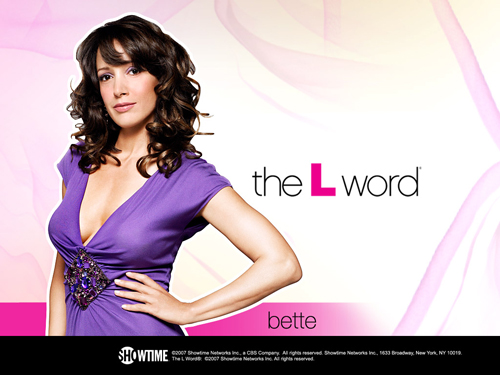
Hot artsy control freak <3
Bette’s personal and professional life evolves in ways that couldn’t happen in a single episode. Her RELENTLESS relationship with Tina Kennard spans infidelity (beefin’ with my chick while I’m in jailll), breakups, co-parenting their daughter Angelica, and eventually—and inevitably—their reconciliation. Alongside her romantic drama, Bette faces career highs and lows, including ambitious political campaigns and ethical missteps at work. Her career is intertwined with who she is as a human being; she is intrinsically connected to her work. Each season builds on the last, showing how her desire for control both drives her success and complicates her relationships. We see her repeat mistakes over time as she grows to accept who she is and understand how to navigate her personal growth within relationships.
Shane McCutcheon
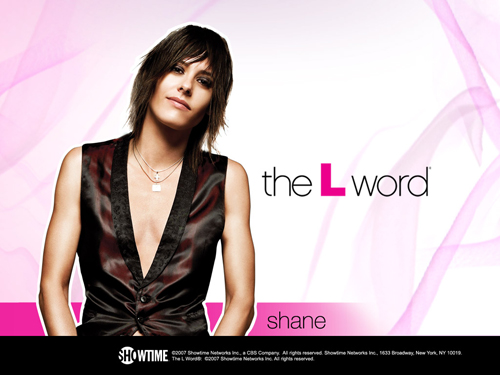
My beloved. That’s all.
Shane’s development isn’t neat or resolved; she grows emotionally but returns to old patterns, reflecting her ongoing complexity. Her relationship with Carmen is central to her arc because it shows her capacity for deep devotion (but then she does HER BIG ONEEE IYKYK…I’m mad). With the meeting of her father, she falls back into old patterns, revealing her deep-rooted struggle with her personal identity. Beyond romantic entanglements, Shane’s loyalty to her friends is a through-line of her character. Shane consistently steps up for those she cares about, including her brother, when he suddenly and briefly enters her life. These relationships, layered over six seasons, reveal that Shane’s independence doesn’t mean isolation; her growth and struggles are inseparable from the people she loves.
Jenny Schecter
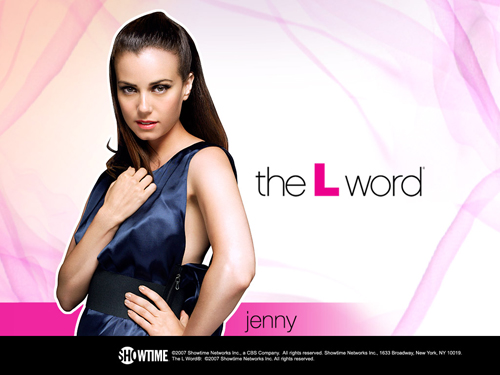
She crazyyyy.
Jenny is the most polarizing and dramatic character in The L Word, but she is also one of its most fascinating and layered arcs. Introduced as an outsider exploring her sexuality, Jenny’s six-season journey is chaotic and often dark. Her relationships reveal her increasing self-absorption and manipulative, and self-destructive tendencies. Her career as a writer interferes with her personal life, amplifying insecurities and obsessions. As the series progresses, Jenny’s erratic behavior escalates: she fixates obsessively on partners like Marina and Shane, sabotages her own relationships through jealousy or insecurity, manipulates friends by lying or exploiting their personal experiences for her writing (Lez Girls), and engages in extreme emotional outbursts. She pushes people away with impulsive decisions and repeatedly inserts herself into conflicts, and creates tension within the friend group. She strains her friendships, leading to betrayals, alienation from the group, and ultimately, her tragic death in the final season (who do you think did it?).
Alice Pieszecki
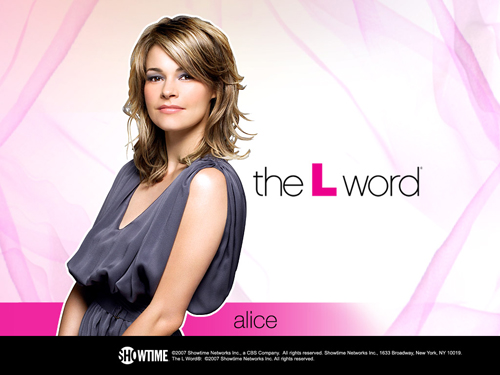
The underrated glue to the entire show, dare I say.
Alice is much more than the witty, charismatic narrator. From the start, she observes and connects the lives of her friends, famously creating The Chart, a visual map of relationships, hookups, and connections in the queer Los Angeles scene. This underscores Alice’s central role: she not only notices the intricate dynamics but also helps others navigate them. Her playful, observational jokes diffuse tension, reveal truths about her friends, and provide insight, while also masking her own vulnerabilities. Alice holds the group together emotionally, even when she is lost herself. Throughout the series, she grapples with her bisexuality and desire for a stable partnership, most notably after the death of her best friend and ex-lover, Dana Fairbanks (RIP legend, but I am a TashaxAlice lover). This tragedy profoundly shapes Alice’s emotional growth, influencing how she approaches love, friendship, and her own identity in the seasons that follow. Without Alice, the web of friendship, love, and loyalty that defines The L Word would unravel.
I don’t know how to incorporate her life-size Dana cutout into this, but I feel like I should mention it.
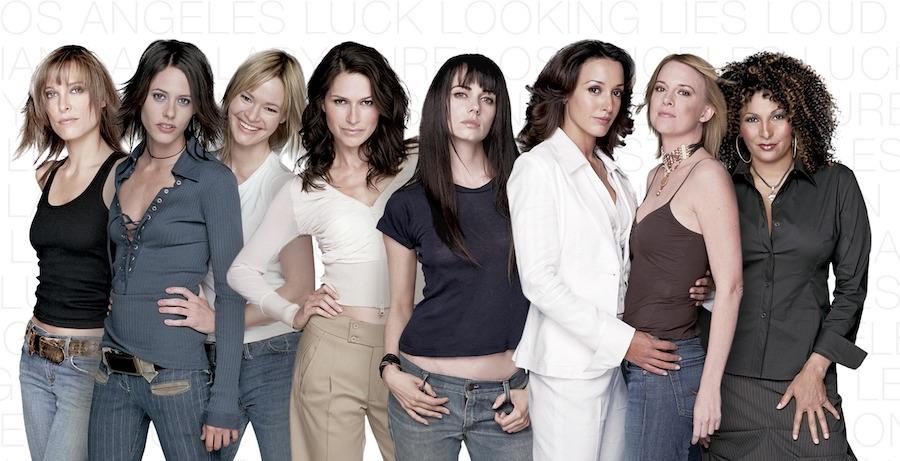
Through these adored characters, The L Word demonstrates the power of continuity and consequence in long-form storytelling. Choices made in early seasons reverberate throughout the series, and characters grow, struggle, and sometimes fail. By allowing relationships to evolve, conflicts to linger, and personalities to shift over time, the show creates a richly layered world that feels lived-in and real. Its serialized structure not only deepens emotional engagement but also pushed the boundaries of character-driven drama in the early 2000s cable TV.