

John Waters is an acclaimed director who is known for subversive films that challenge mainstream ideals of social and moral standards. The “Pope of Trash” is a DMV native, born and raised in the suburbs of Baltimore. His religious, upper-middle class upbringing was a mold that he never fit into, eliciting fasciation with unordinary, and even morbid interests, such as car crashes and horror. The cast of his early films, exploring themes of trash and censorship, consisted of his company of local actors, including his close friend and muse Divine. After his 1981 film, “Polyester”, his work moved closer to the mainstream, with two later developed into musicals (“Hairspray” and “Cry-Baby”). His work is admired to this day for utilizing queer, camp humor to challenge conservative ideologies. If you’re interested in exploring Waters’ work, you’re in luck! Many of his most acclaimed films are available to loan through Media Services.
Multiple Maniacs (1970)
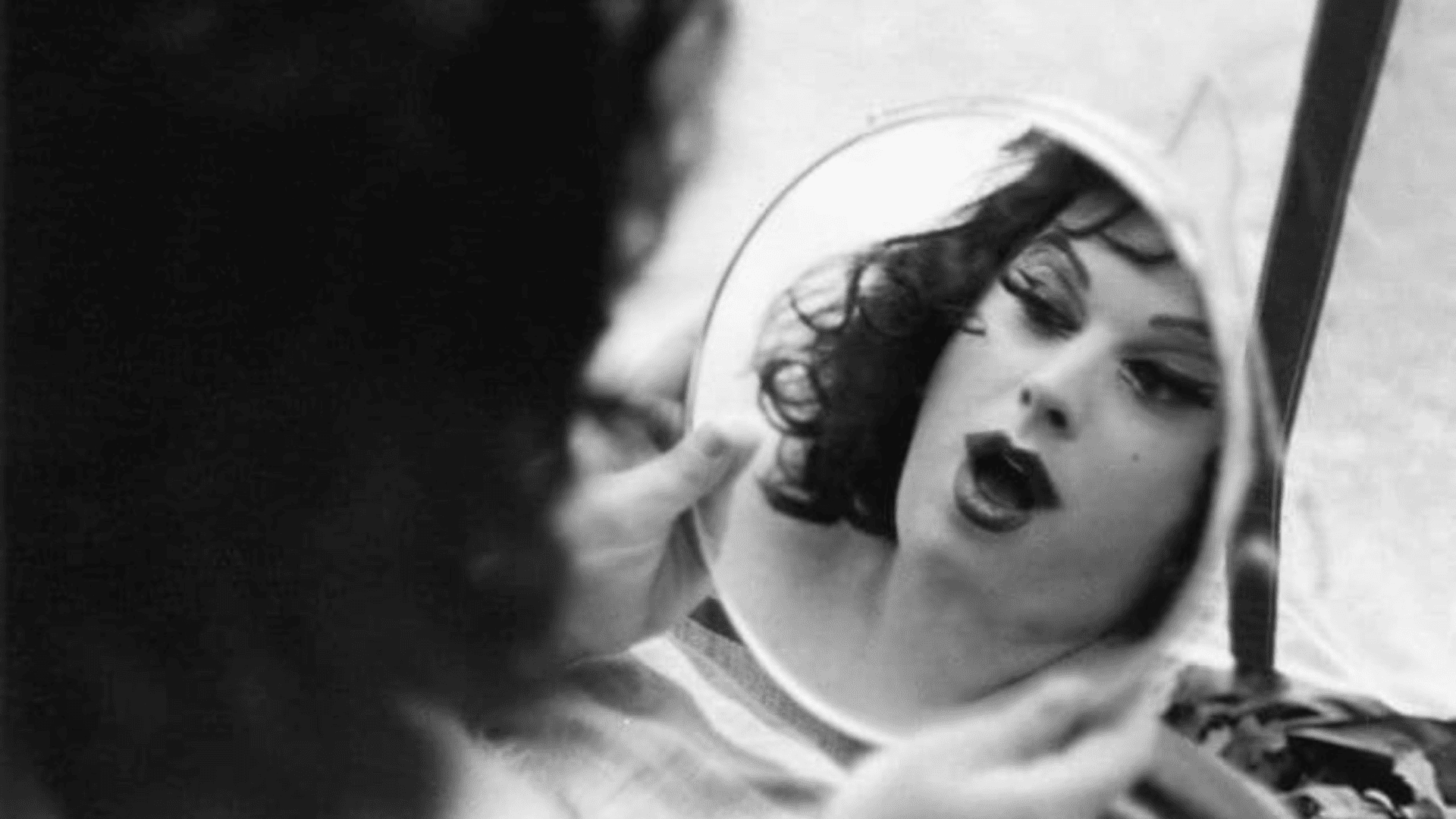
Waters’ second feature film follows The Cavalcade of Perversion, a traveling freak show that exhibits various unorthodox behaviors, and rob their audience after each performance. After the leader of the circus, Lady Divine, becomes bored of their usual routine, she begins a rampage of violence and robbery.
Pink Flamingos (1972)
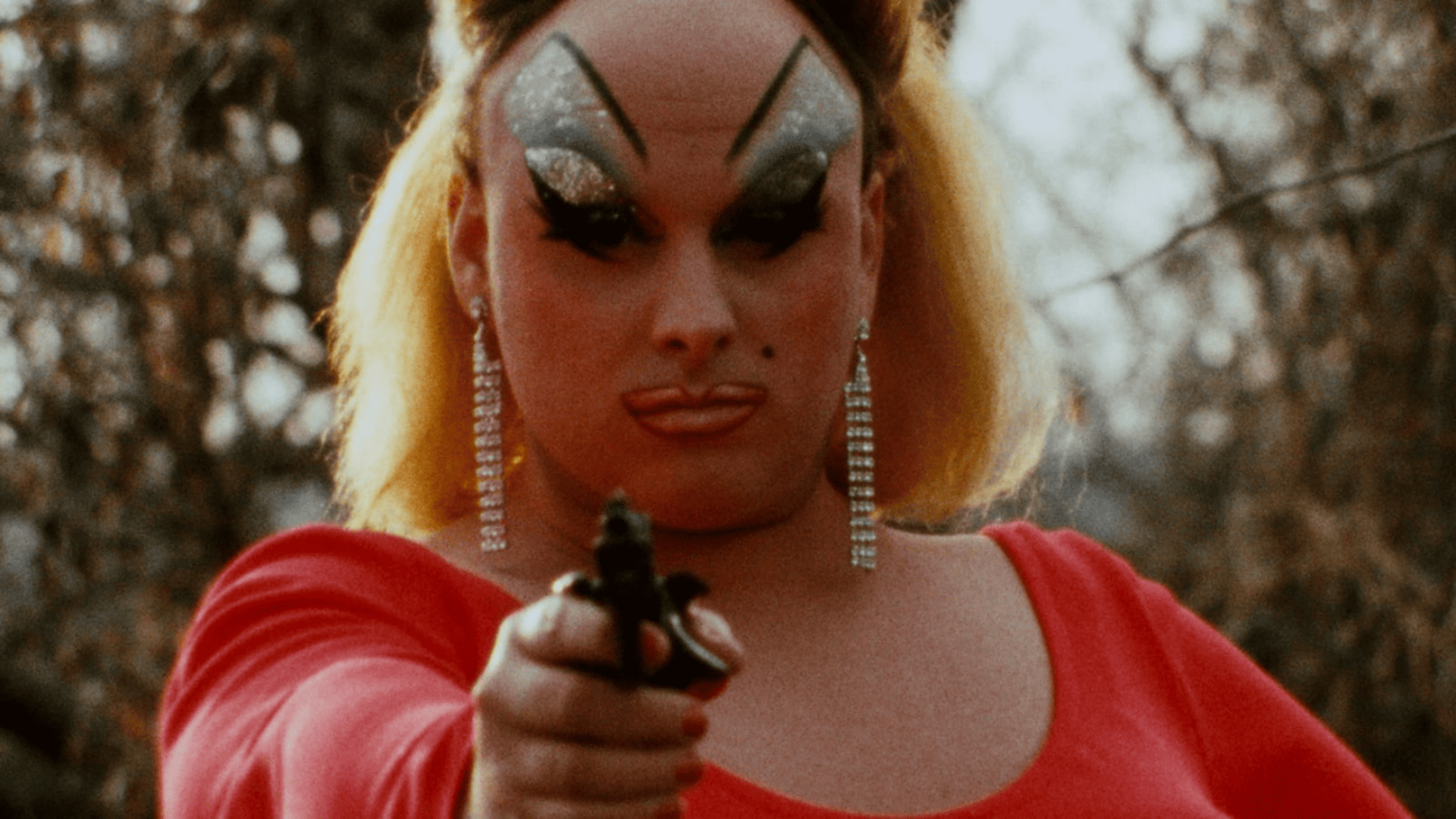
Divine is a notorious criminal who lives in a trailer with her odd family, proud of her reputation as “The Filthiest Person Alive”. A feud ensues when a married couple, the Marbles, attempt to steal her title through a series of increasingly disgusting acts.
Female Trouble (1974)
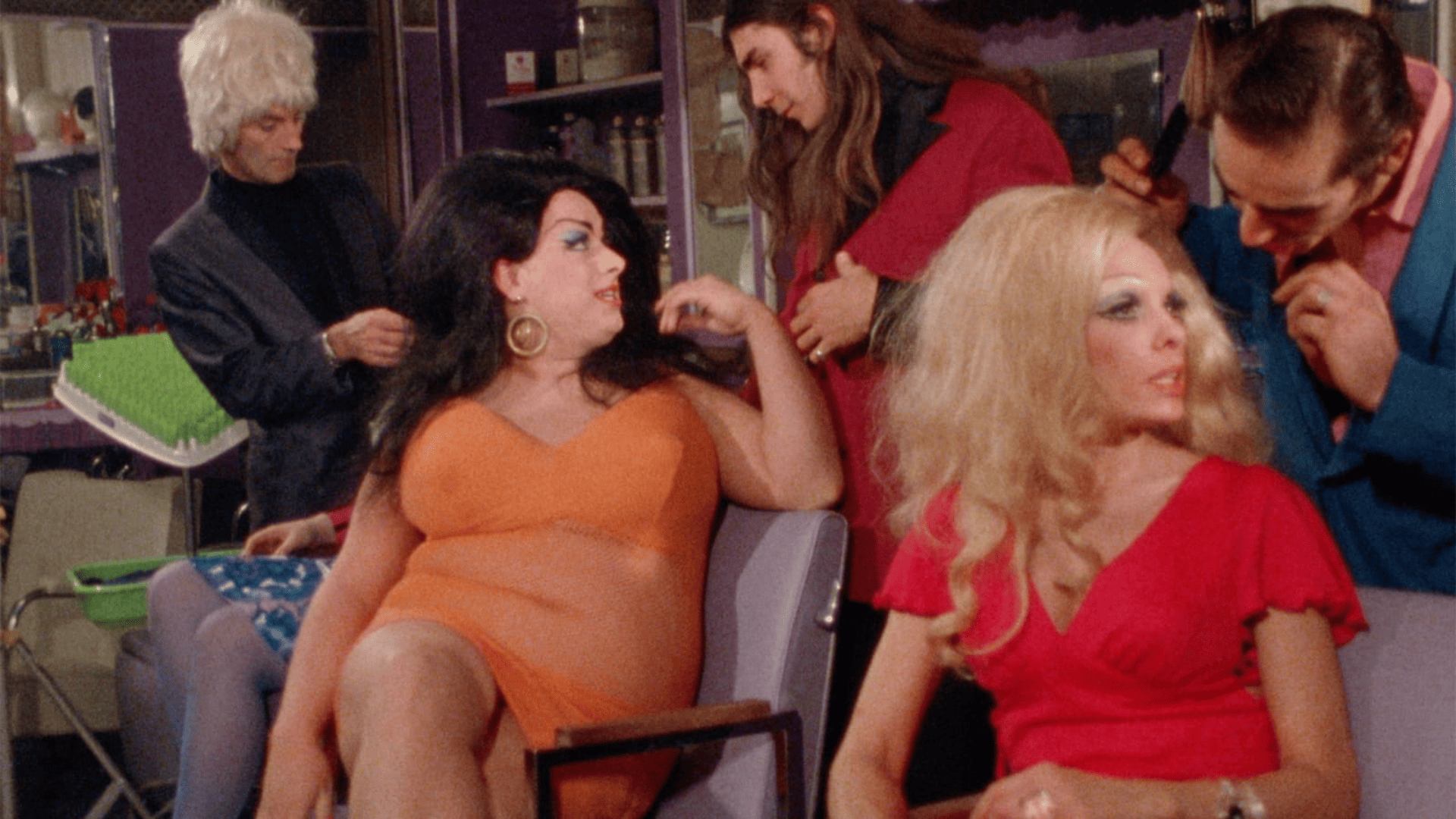
Dawn Davenport, a delinquent high school student, runs away from home after her parents refuse to buy her cha-cha heels for Christmas. The owners of the salon she frequents recruit her for an artistic experiment relating crime to beauty, enticing her with the promises of fame and success, playing into her own vanity.
Desperate Living (1977)
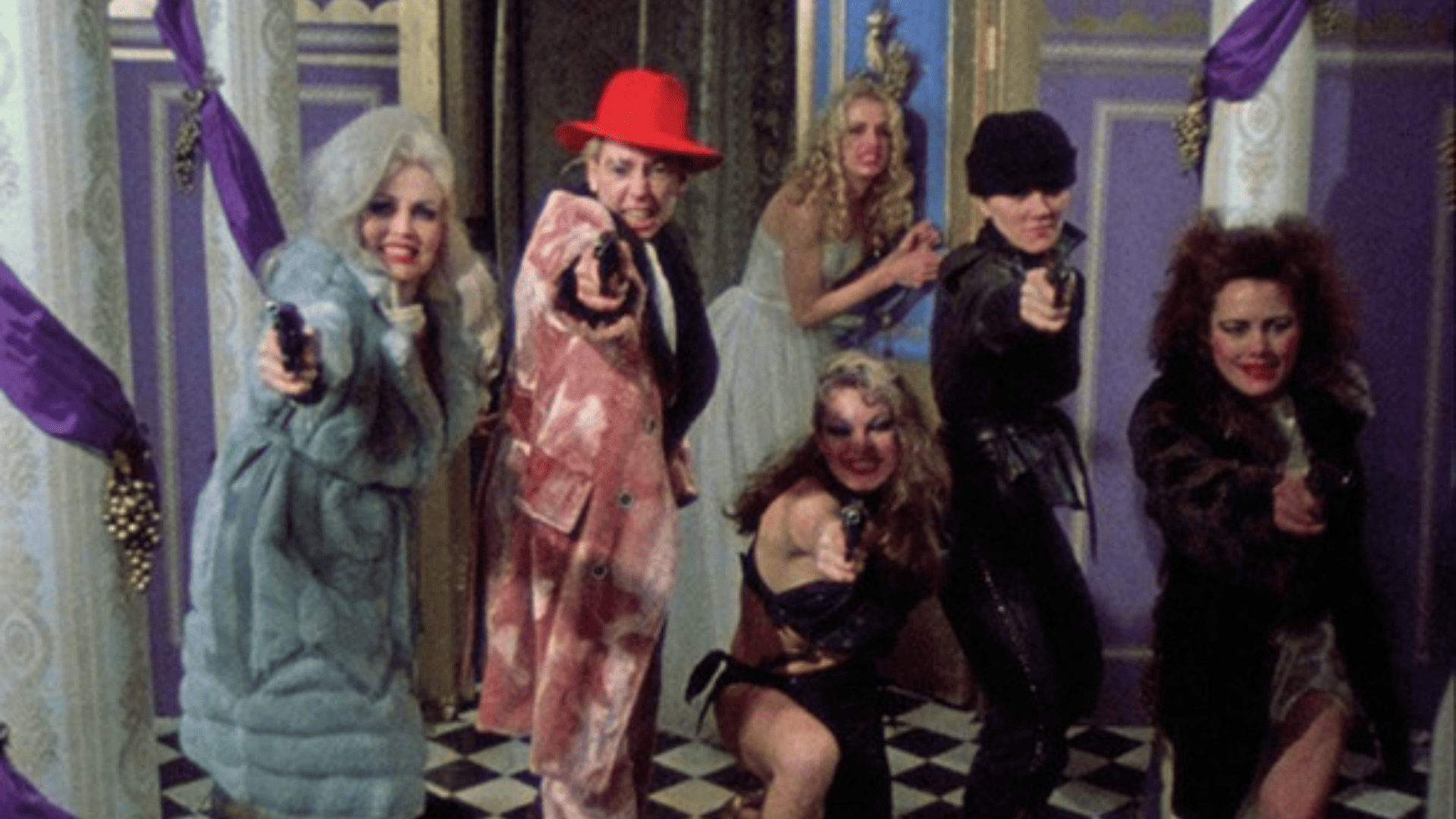
A neurotic suburban housewife, Peggy, and her maid, Grizelda, are exiled to Mortville after murdering Peggy’s husband. The shantytown consists of a variety of social outcasts, and is ruled by a tyrannical Queen and her daughter.
Polyester (1981)
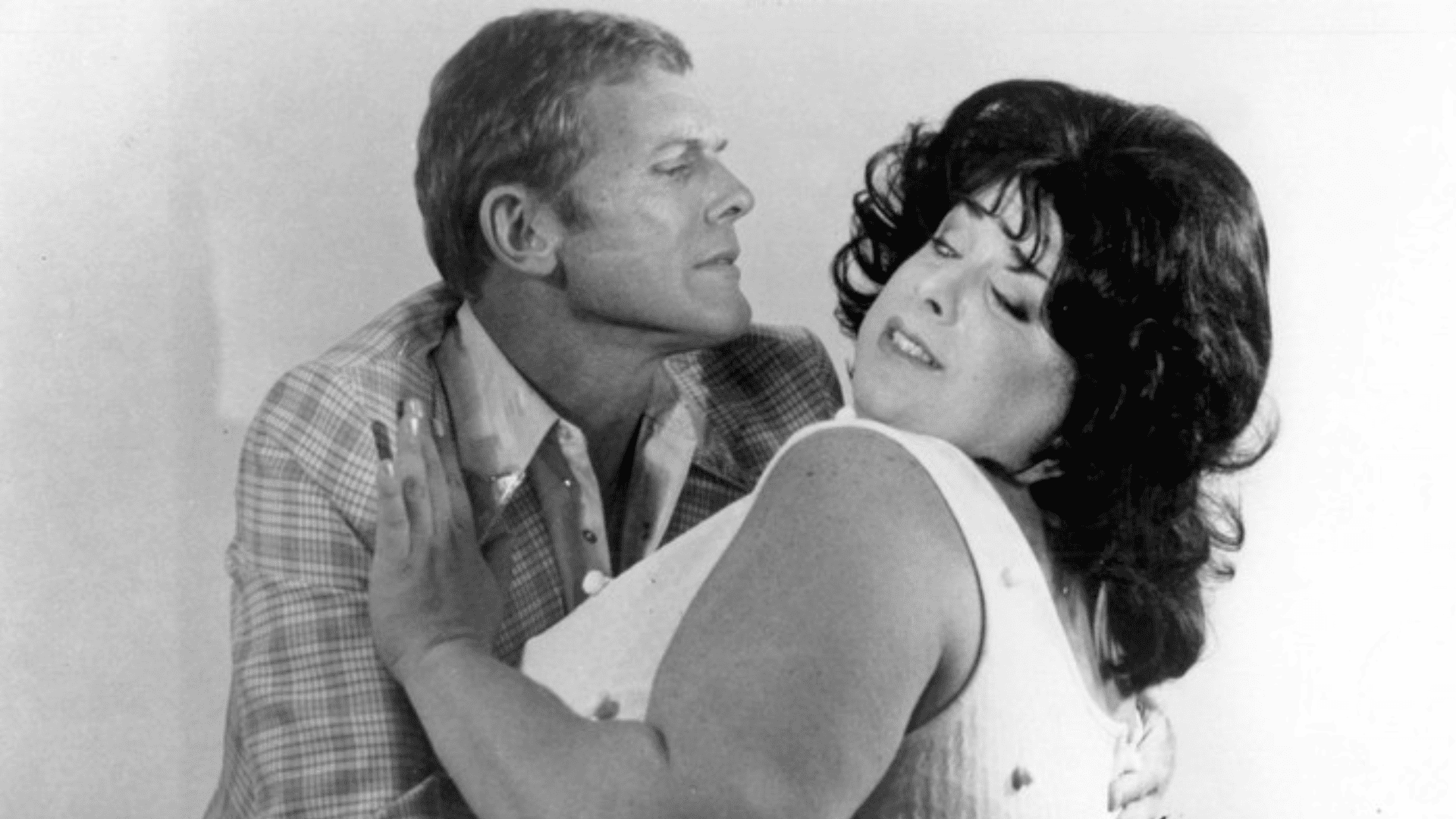
A satire of 1980s suburban life, “Polyester” follows a woman whose world shatters after she discovers her husband, the owner of an adult film theater, is cheating on her with his secretary. As her life continues to unravel, she finds solace in a romance with a man named Todd Tomorrow.
Hairspray (1988)
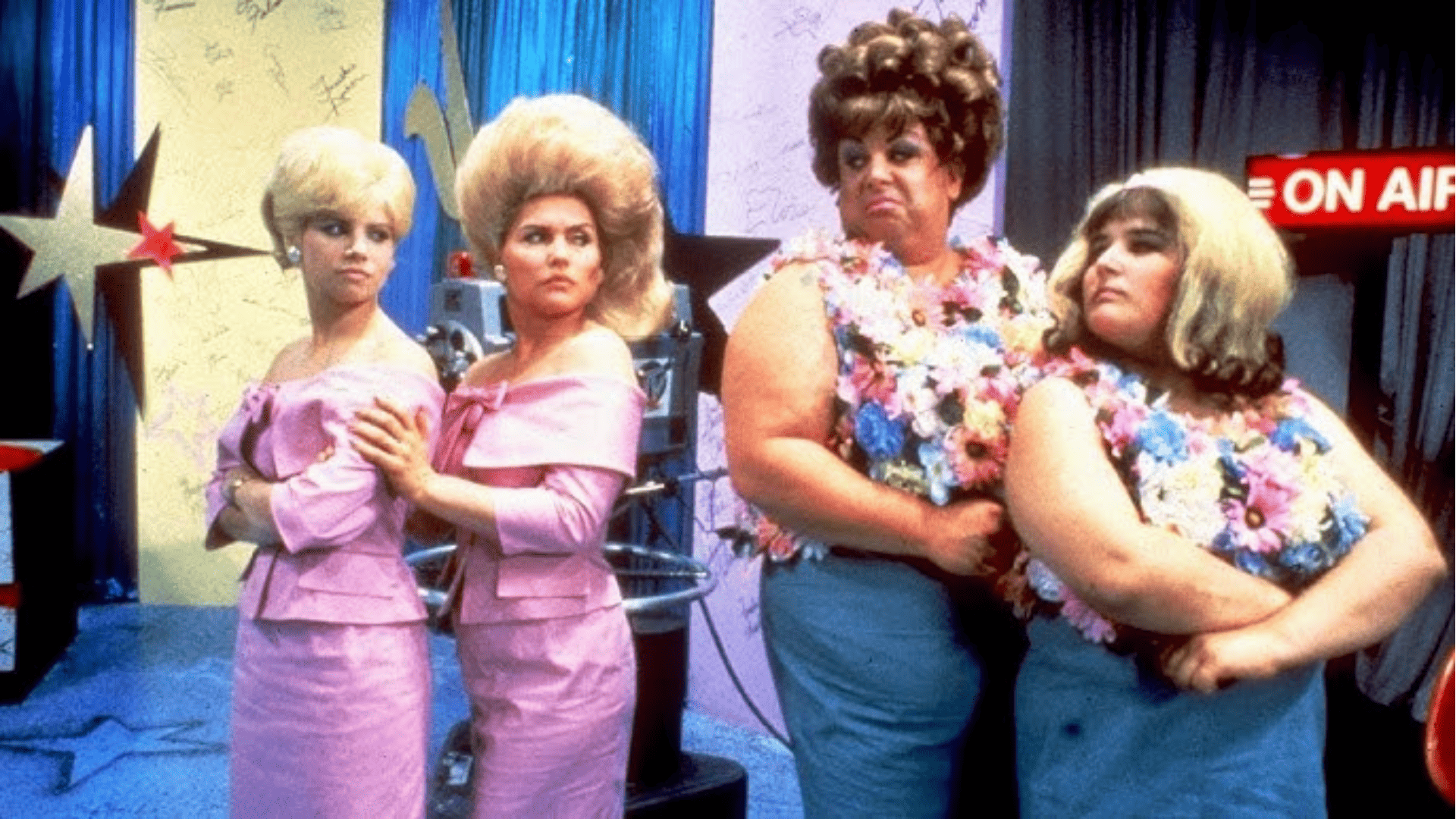
In 1960s Baltimore, Tracy Turnblad achieves her dream of dancing on a local TV show, The Corny Collins Show. She decides to use her newfound fame to call for integration, but not without pushback from the show’s former star, Amber Von Tussle.
Cry-Baby (1990)
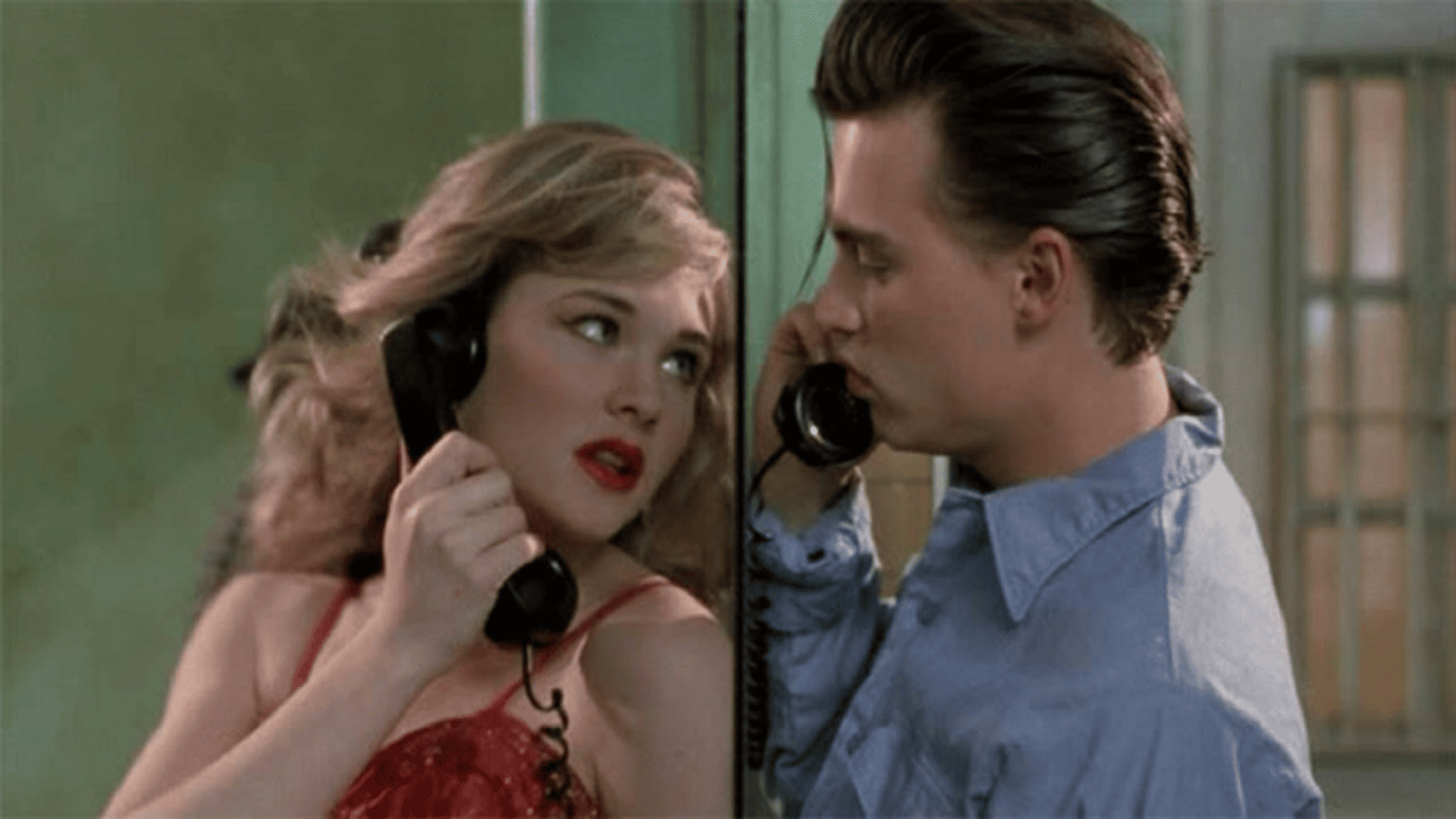
Rebellious teen “Cry-Baby” and good girl Allison, live in 1950s Baltimore, both belonging to the respective groups of “drapes” and “squares”. They break the stereotype that these groups shouldn’t associate when they fall for each other, ensuing backlash in their town.
Serial Mom (1994)
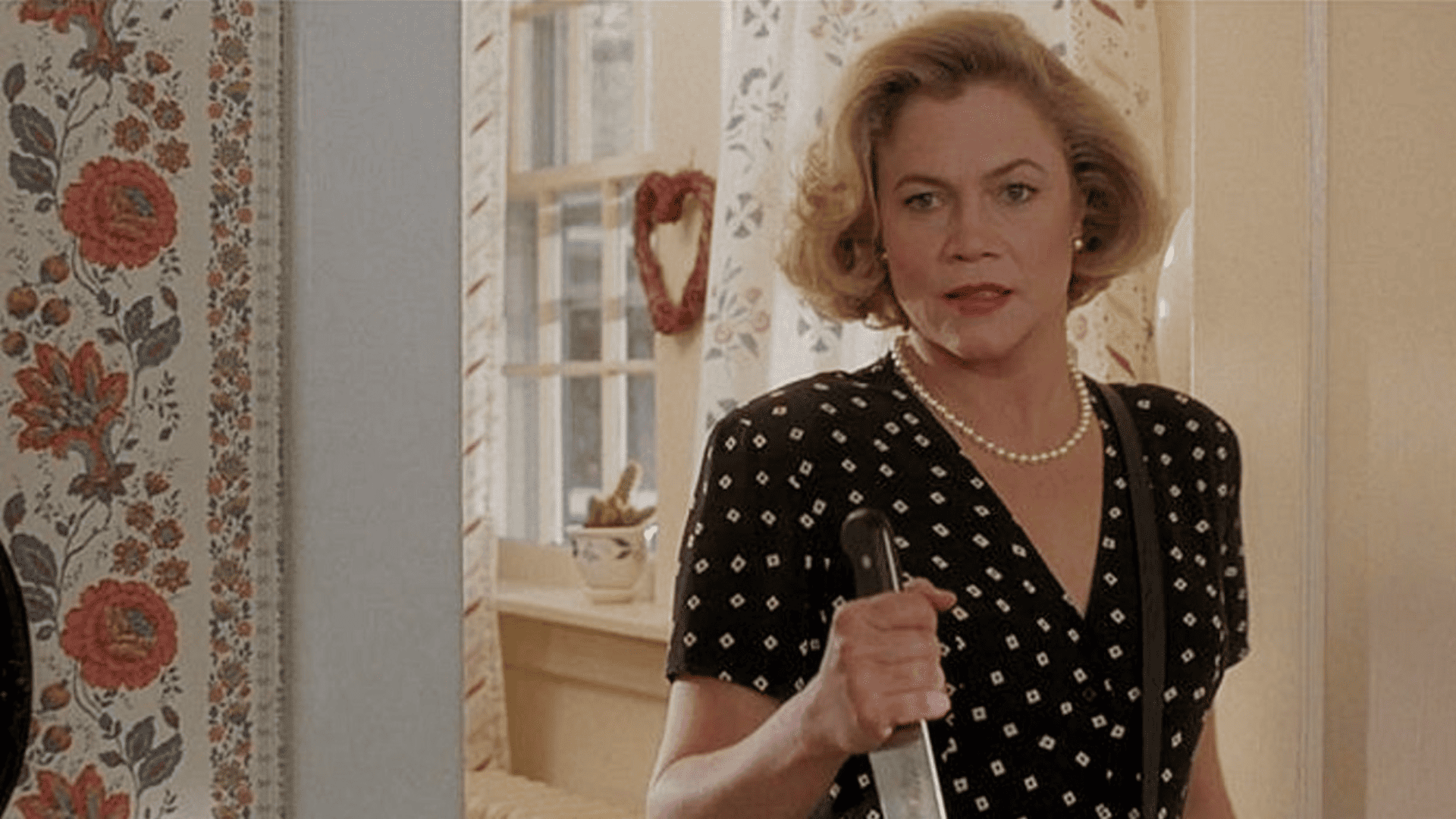
At first impression, Beverly Sutphin appears to be the perfect mother to her teenage children, living in an unassuming suburb of Baltimore. In reality, she is an unhinged serial killer, set off at even the most trivial of offenses.
Pecker (1998)

A talented teenage photographer becomes an overnight sensation, but not without bringing scrutiny to his loved ones and town. With his newfound fame, he decides to flip the tables on the elitist art world.
A Dirty Shame (2004)
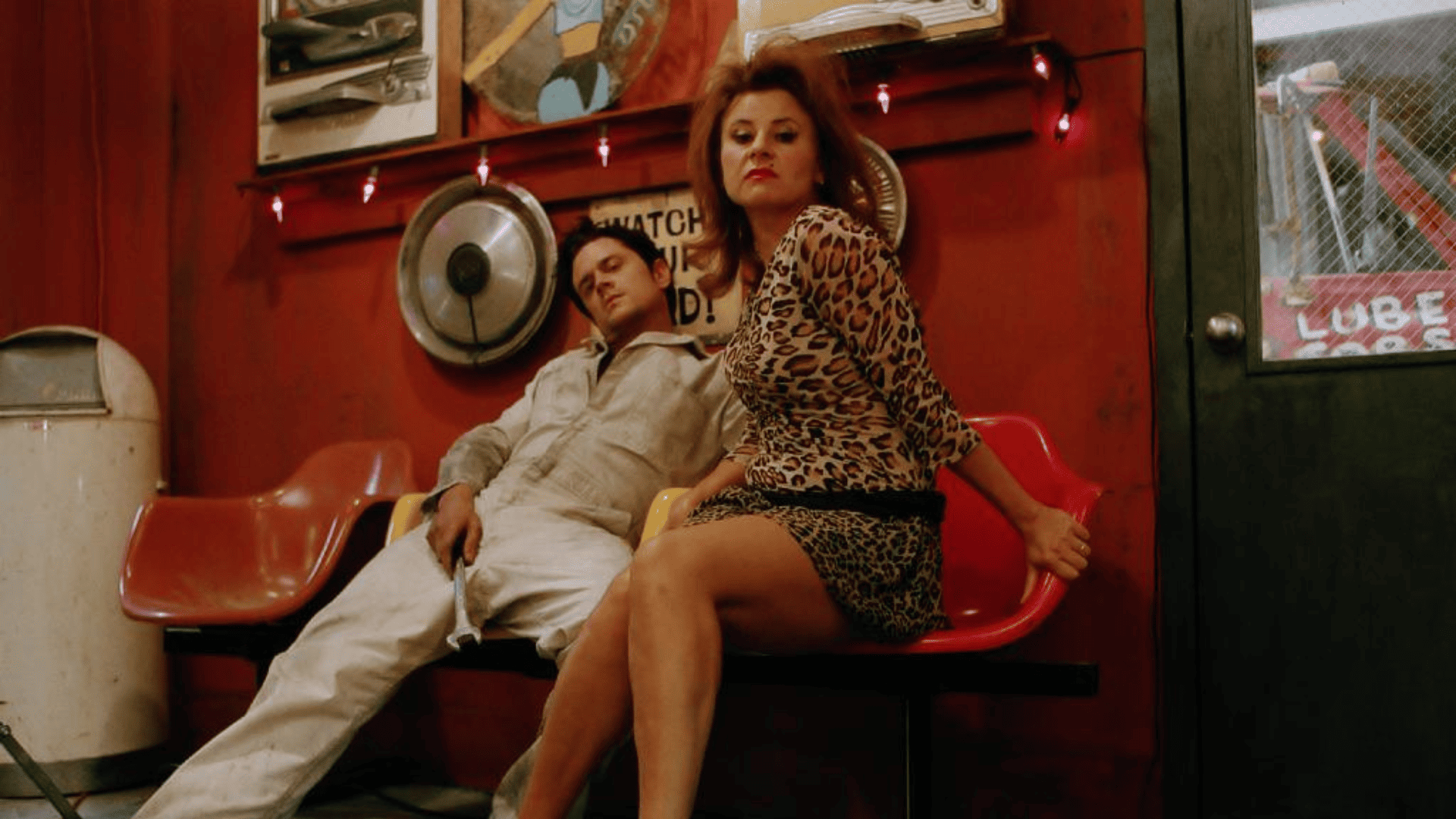
The town of Harford Road is divided into two groups: The neuters, those who are overly puritanical; and the perverts, people who became sex addicts after suffering concussions. Sylvia Stickles, a formerly repressed individual, is suddenly thrust into the latter group after sustaining a concussion.