
Calling all horror lovers! As the nights grow longer and Halloween approaches, it’s the perfect time to settle in for a marathon of horror films that span decades, subgenres, and styles. Over the next 13 nights, we’ll highlight our favorite slashers, creature features, psychological thrillers, and more.
To kick things off, we’re starting with the film that defined the modern cinematic zombie: George A. Romero’s Night of the Living Dead (1968).
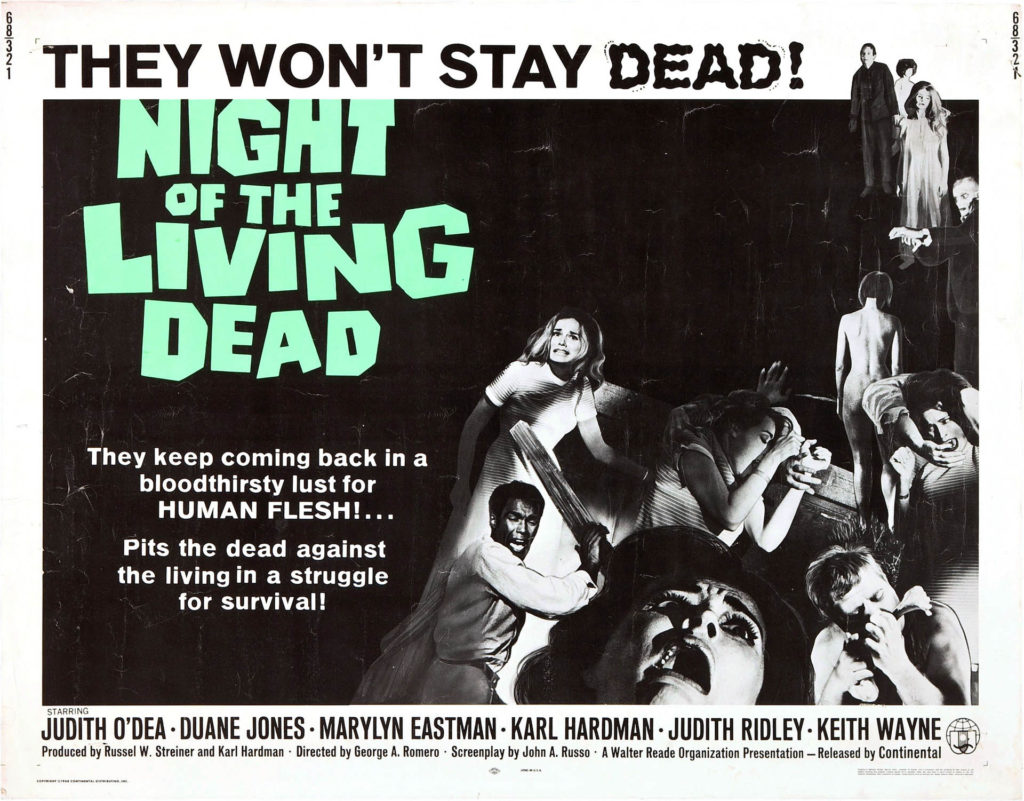
It’s difficult to overstate the impact of Night of the Living Dead. While zombies existed in film before 1968, Romero’s low-budget black-and-white masterpiece established many of the conventions that audiences now associate with the genre: flesh-eating corpses, ordinary people trapped in extraordinary circumstances, and the breakdown of social order under pressure.
The premise is deceptively simple. After arriving at a rural cemetery, a young woman and her brother encounter a strange and violent attacker. As the threat spreads, a small group of strangers barricade themselves inside a farmhouse, forced to work together as the dead begin to gather outside.
What makes the film so effective nearly sixty years later isn’t just the horror. It’s the tension between the survivors. The farmhouse becomes a pressure cooker of fear, mistrust, and desperation, creating a sense that the people inside may be just as dangerous to one another as the creatures outside.
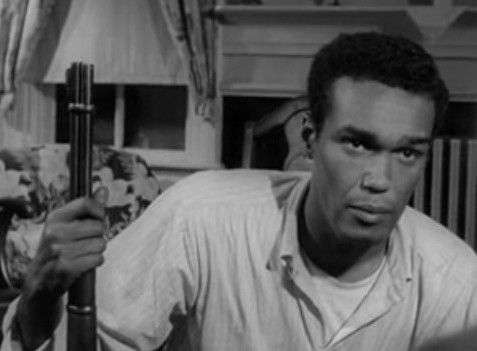
One of the most remarkable aspects of Night of the Living Dead is its protagonist, Ben, played by Duane Jones. At a time when Black actors were rarely cast as leading characters in mainstream American films, Jones’s Ben is intelligent, resourceful, decisive, and unquestionably the film’s hero.
Romero maintained that Jones was cast simply because he was the best actor for the role, not because the filmmakers were intentionally making a statement casting a Black lead. Yet the historical context of the film’s 1968 release made Ben’s presence impossible to separate from the social realities of the time. Audiences were watching a Black man take charge, argue with white characters who challenged his authority, and fight for survival during one of the most turbulent years of the Civil Rights era.
As a result, the film took on a political dimension that extended far beyond its creators’ original intentions. The story’s final moments, in particular, have been interpreted by generations of viewers as a commentary on racism, violence, and the treatment of Black Americans. Whether viewed as intentional political filmmaking or a product of its historical moment, the ending remains one of the most impactful and haunting conclusions in horror history.
Night of the Living Dead is available for members of the American University community to borrow on DVD from Bender Library or to stream online.
Come back tomorrow to see our pick for Night 2 of the 13 Nights of Halloween Horror.