
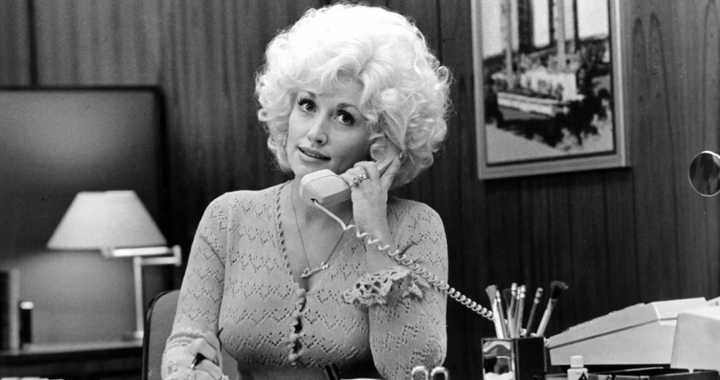
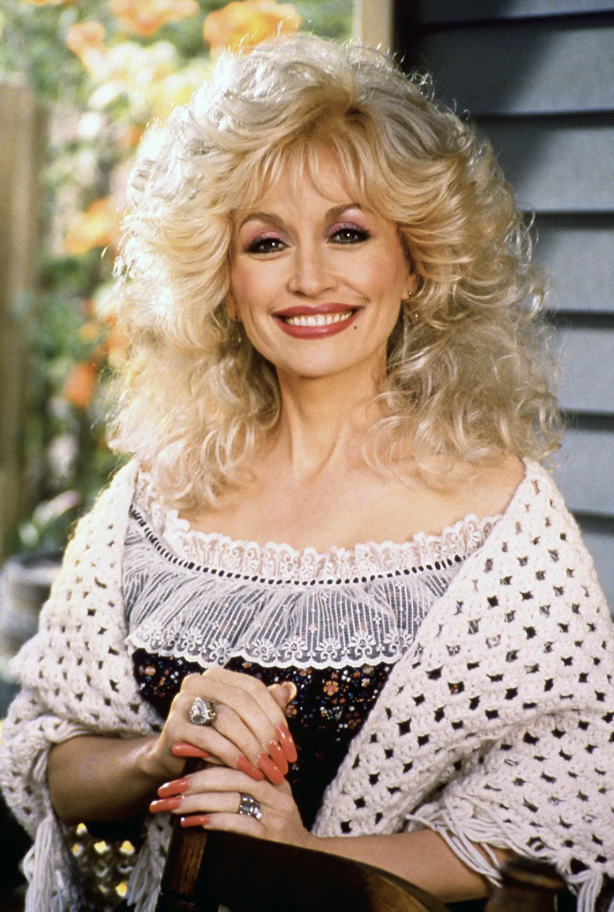
“My Daddy was so smart but he felt crippled with the fact that he couldn’t read and write.” – Dolly Parton
The loss of Dolly Parton on August 25, 2026, marks the passing of an extraordinary entertainer, but her greatest legacy may be found in the lives of children who discovered the joy of reading because of her generosity. Parton created Dolly Parton’s Imagination Library in 1995, inspired in part by her father’s inability to read and write. The program began in her home county of Sevier County, Tennessee, providing young children with free, age-appropriate books. It eventually expanded throughout the United States and internationally.
The Imagination Library was built around a simple but powerful idea: every child should have access to books. Children from birth through age five can receive a free book each month when they are enrolled in participating communities. According to the program, more than 270 million free books have now been mailed to children. The program has reached families in the United States, Canada, the United Kingdom, Australia, and Ireland, making Parton’s commitment to literacy a worldwide effort.
Parton understood that books could open doors for children who might otherwise have limited opportunities. Her own childhood shaped that belief. Growing up in a large, poor family in the Tennessee mountains, she saw firsthand how education and literacy could change a person’s future. Rather than simply speaking about the importance of reading, she created a program that put books directly into children’s hands. Her nickname, “The Book Lady,” became an affectionate symbol of this part of her life.
Her work with children was also recognized by major organizations. The Imagination Library received recognition from the Library of Congress Literacy Awards, and in 2021 the Library of Congress awarded the program the David M. Rubenstein Prize. Parton’s charitable work extended beyond literacy to disaster relief, education, health research, and other causes. Her legacy therefore is not only measured in records sold or awards received, but also in the millions of children who were encouraged to read, imagine, and dream.
Dolly Parton’s Remarkable Career
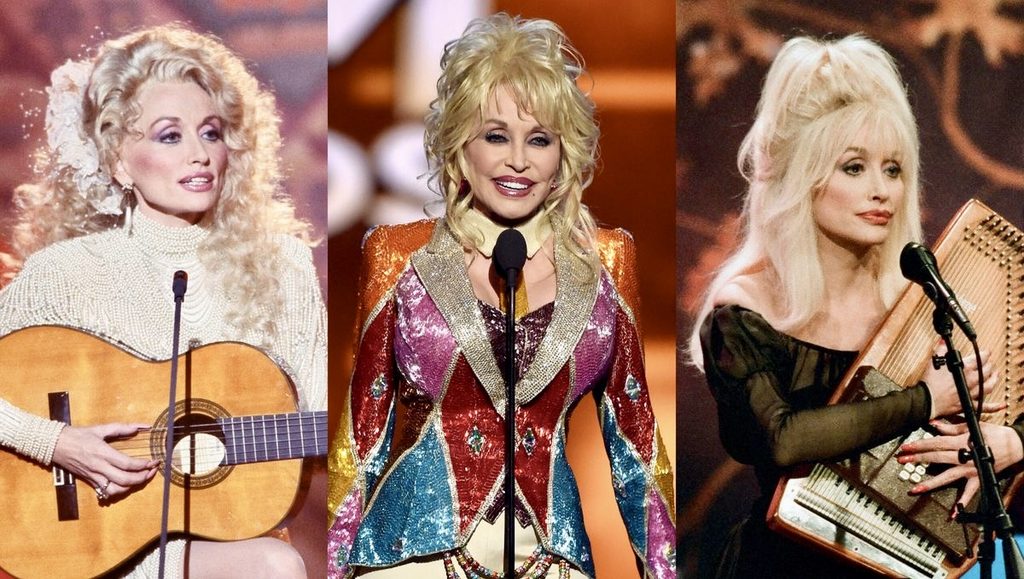
“I was going to be everything I could be.” – Dolly Parton
Dolly Parton’s career began with humble roots in Tennessee and developed into one of the most successful careers in American entertainment. She began performing as a child and appeared at the Grand Ole Opry at only 13 years old. After graduating from high school, she moved to Nashville to pursue music professionally. Her work with Porter Wagoner helped introduce her to a national audience, and she eventually established herself as a major solo artist and songwriter.
As a songwriter, Parton created some of the most recognizable songs in popular music, including “Jolene,” “Coat of Many Colors,” and “I Will Always Love You.” Her songwriting was especially important to her because she saw songs as a way to tell stories and communicate emotions. Over the course of her career, she wrote thousands of songs and achieved numerous No. 1 country hits. Her music reached far beyond the country audience and made her an international star.
Parton also became a successful actress, television performer, businesswoman, and producer. Her film debut came with the 1980 comedy 9 to 5, in which she starred with Jane Fonda and Lily Tomlin. She later appeared in films including The Best Little Whorehouse in Texas, Rhinestone, and Steel Magnolias. Outside entertainment, she helped build Dollywood into a major attraction in Tennessee and became a successful entrepreneur while continuing to make music.
What made Parton’s career particularly remarkable was its longevity and variety. She remained relevant across generations while continuing to write, record, perform, act, and support charitable causes. Her career demonstrated that an artist could move between country music, pop culture, television, movies, publishing, business, and philanthropy without losing the personal identity that made audiences love her. Her influence will continue through her recordings, films, books, and the many artists she inspired.
Significant Awards and Honors
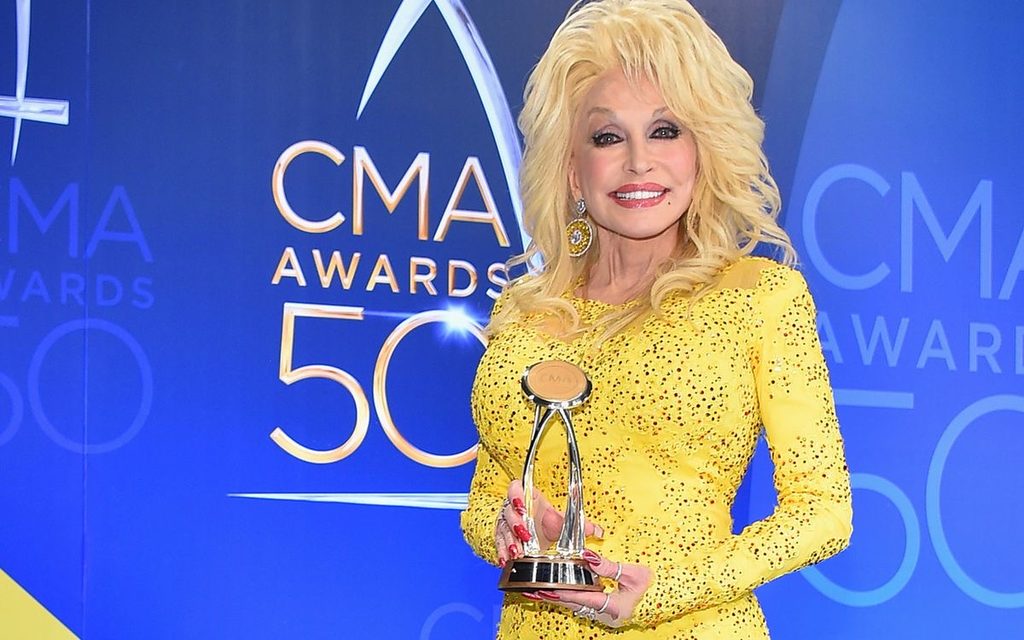
“Honestly, being put into the Songwriters Hall of Fame, with all the great people in there, would have to be one of the greater compliments that anyone could ever be paid.” – Dolly Parton
Dolly Parton received recognition from nearly every major part of the entertainment industry. She won 11 Grammy Awards, including a Grammy Lifetime Achievement Award, and received numerous additional Grammy nominations. She was also inducted into the Country Music Hall of Fame in 1999 and the Rock & Roll Hall of Fame in 2022, reflecting the extraordinary reach of her music beyond the traditional country genre.
Her achievements extended beyond music awards. Parton received a Kennedy Center Honor, the Library of Congress Living Legend medal, and the MusiCares Person of the Year honor. Her songwriting also earned Academy Award nominations, including recognition for songs connected to 9 to 5 and Transamerica. These honors demonstrate how her work affected music, film, songwriting, and American culture.
Parton was also recognized for her humanitarian work. Her Imagination Library earned awards and recognition for its contribution to children’s literacy, while Parton herself received the Carnegie Medal of Philanthropy. Her charitable efforts included support for disaster victims and a $1 million donation to Vanderbilt University research during the COVID-19 pandemic. Her generosity became an important part of the public image she built alongside her artistic accomplishments.
Perhaps the most meaningful aspect of these honors is that they represent different sides of Parton’s life. She was celebrated as a musician, songwriter, actress, cultural figure, and philanthropist. Awards can document achievements, but they cannot fully measure the personal connection she created with audiences. From country music fans to children receiving their first books, Parton built a legacy that reached people in remarkably different ways.
Dolly Parton Films in Library and Media Collections
“I like to entertain people. I like to make people laugh, I like to make people cry, I like to make people feel.” – Dolly Parton
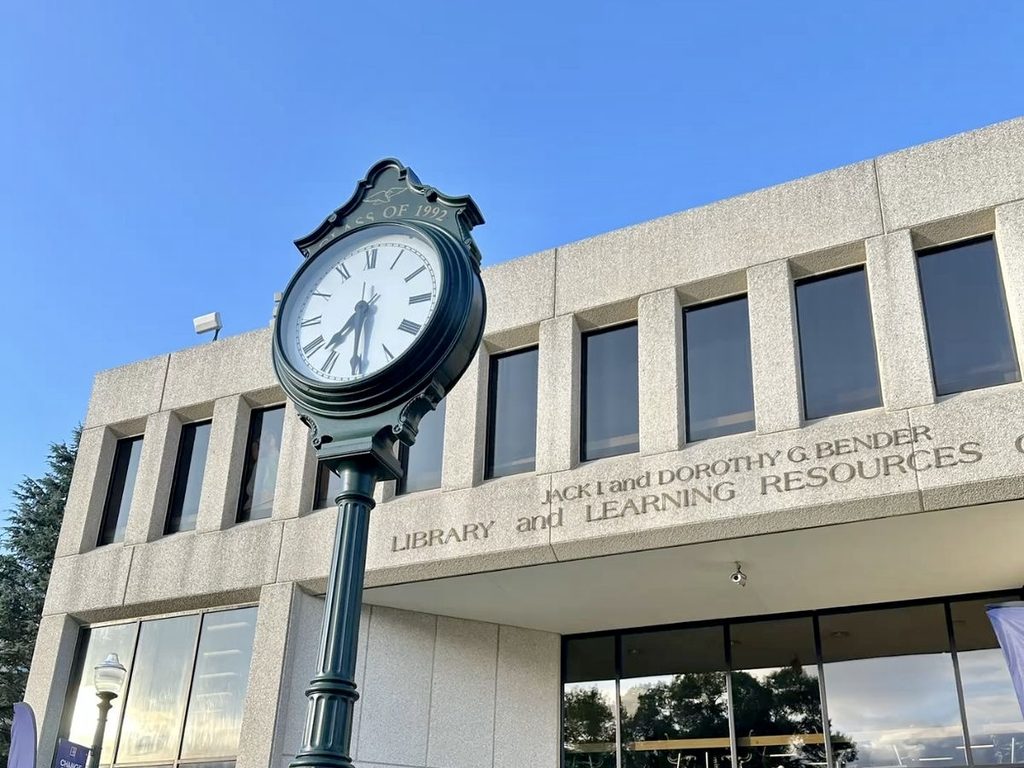
Dolly Parton’s film career provides another way for audiences to remember her work. Among her best-known movies are 9 to 5, The Best Little Whorehouse in Texas, Rhinestone, Steel Magnolias, and Straight Talk. She also appeared in later productions including Joyful Noise. These films show the range of Parton’s screen career, from comedy and musical entertainment to more dramatic performances. Members of the American University community can explore her career by borrowing 9 to 5 and Steel Magnolias from the library’s DVD collection.
When researching Dolly Parton for a library collection, 9 to 5 is particularly significant because it connects her music, acting, and cultural influence. American University has also highlighted Parton’s 9 to 5 through its Performing Arts program, which presented 9 to 5: The Musical, featuring Parton’s music and lyrics. The university described the musical as an adaptation of the iconic 1980 film and emphasized its themes of friendship, empowerment, and sisterhood.
Another film-related title especially relevant to Parton’s literacy legacy is The Library That Dolly Built, a documentary about the Imagination Library. The documentary goes behind the scenes of the literacy program and examines how Parton’s idea developed into an international effort to encourage children to read. Together, her feature films and documentaries provide another way for libraries and universities to preserve and share the story of an artist whose influence extended far beyond music.
A Legacy That Will Continue
“If you see someone without a smile, give them yours.” – Dolly Parton
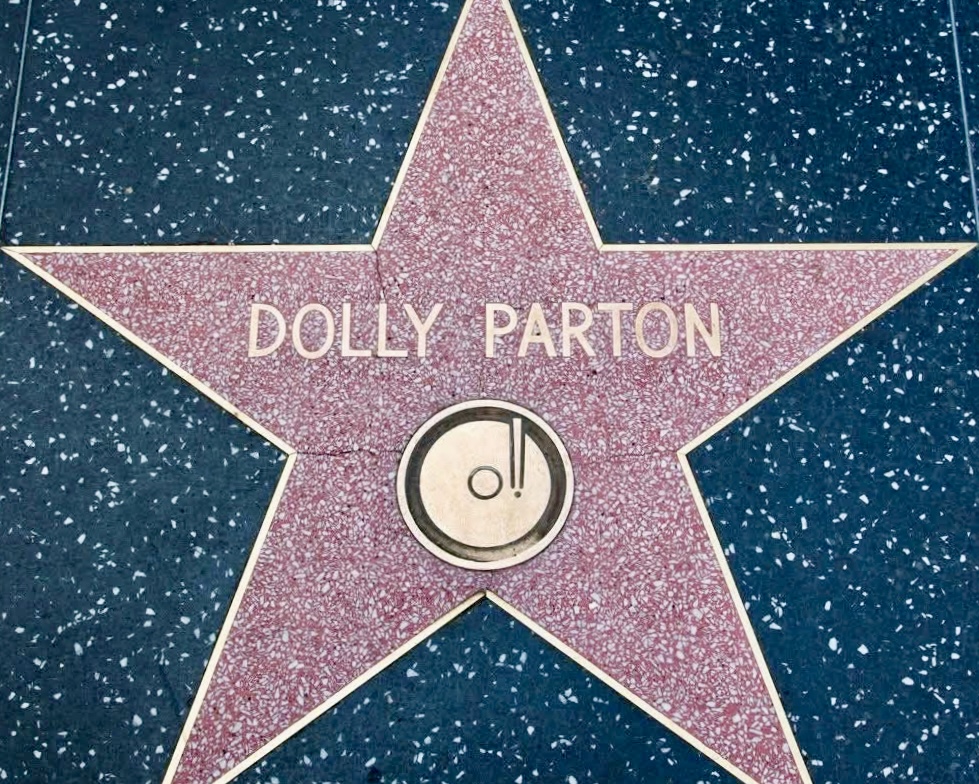
Dolly Parton leaves behind much more than a collection of hit songs. She leaves behind stories, films, books, businesses, charitable organizations, and generations of people who were influenced by her work. Her journey from a poor childhood in Tennessee to international fame was remarkable, but her decision to use that success to help others may ultimately be what people remember most.
Her Imagination Library is perhaps the clearest example. A child receiving a book in the mail may not know every song Dolly Parton recorded, but that child can experience the excitement of opening a book and discovering a new world. In that way, Parton’s work gives future generations something that cannot be measured simply by sales charts or trophies: opportunity.
For libraries such as American University’s Bender Library, preserving films and other media connected to Parton is another way of keeping her story accessible. Her work crosses music, film, literature, television, business, and philanthropy, making her an especially rich subject for students, researchers, and audiences interested in American culture.
Dolly Parton’s death is the end of an extraordinary life, but it is not the end of her influence. Her songs will continue to be performed, her films will continue to be watched, and her books will continue to reach children. Most importantly, the spirit behind her Imagination Library will continue every time a child opens a book and begins to imagine a bigger world. That may be one of the most fitting ways to remember Dolly Parton: as an artist who spent her life helping people dream.